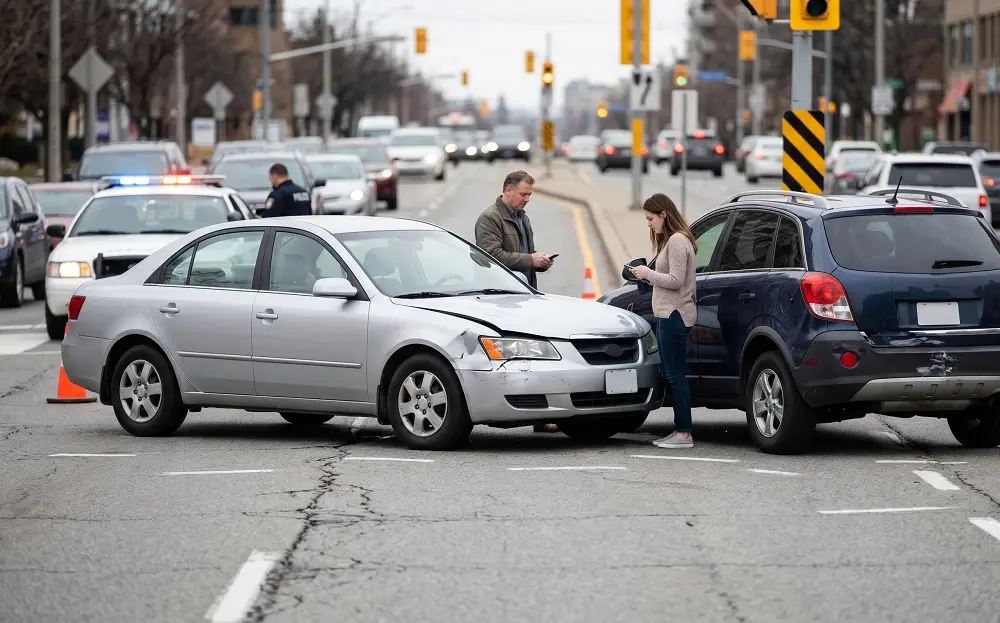
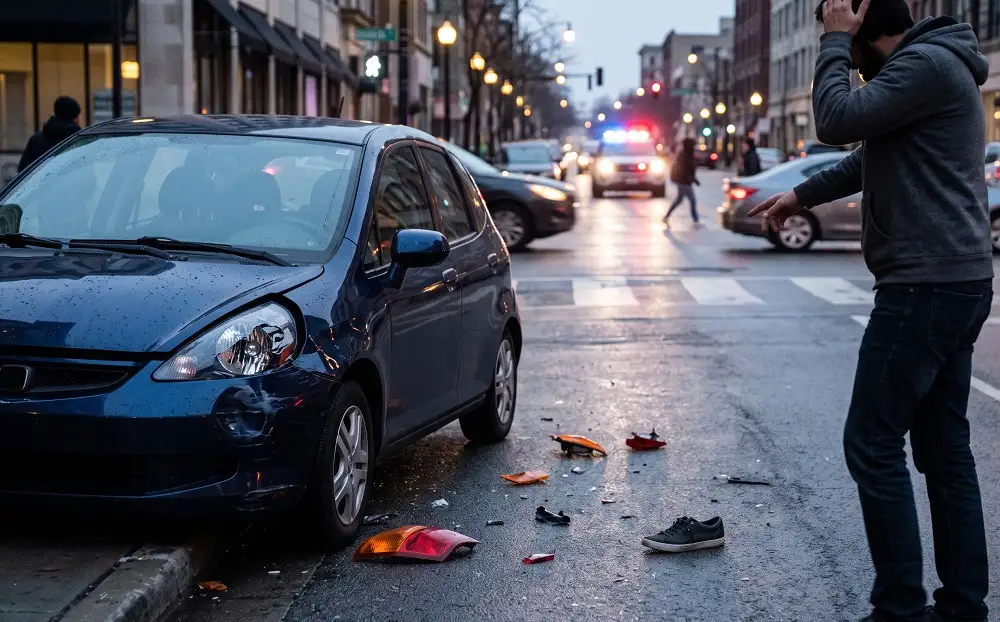
Cuando un accidente de tráfico no es culpa suya, la aseguradora del otro conductor sigue teniendo motivos de sobra para intentar culparle a usted. En Massachusetts, incluso una pequeña parte de responsabilidad puede reducir su indemnización, y cualquier porcentaje superior al 50 por ciento la anula por completo. Las pruebas adecuadas, recopiladas y aseguradas a tiempo, pueden evitar que esto suceda.
El bufete de abogados de John J. Sheehan ayuda a conductores de todo Boston y Massachusetts que son culpados injustamente tras sufrir accidentes graves. Nuestros abogados de accidentes de tráfico en Boston investigan las colisiones, reúnen pruebas y cuestionan las determinaciones de culpa injustas. El abogado Sheehan lleva luchando con éxito por las personas lesionadas en todo el estado desde 1993.
Por qué la culpa es tan importante tras un accidente de tráfico en Massachusetts
Massachusetts es un estado de "no culpa" para las reclamaciones básicas al seguro, pero la responsabilidad se vuelve fundamental cuando las lesiones son graves o cuando usted sale del sistema de "no culpa" para presentar una reclamación por daños y perjuicios. Entender cómo gestiona el estado la responsabilidad puede marcar la diferencia entre recibir una indemnización completa o no recibir nada en absoluto.
Massachusetts utiliza la negligencia comparativa modificada
Bajo las normas de negligencia comparativa modificadade Massachusetts, usted puede obtener una indemnización siempre que su grado de responsabilidad no supere el 50 por ciento. Con un 51 por ciento o más, pierde el derecho a cobrar cualquier indemnización, independientemente de la gravedad de sus lesiones. Su pago también se reduce según su porcentaje de culpa. Si se le asigna un 20 por ciento de responsabilidad en una reclamación de 100.000 dólares, solo recuperará 80.000 dólares. Cada punto de culpa que la aseguradora le atribuya se descontará directamente de su acuerdo.
Las compañías de seguros tienen un motivo financiero para culparle
El ajustador trabaja para la aseguradora del otro conductor, y esa empresa obtiene beneficios pagándole menos, o nada en absoluto. Las tácticas habituales incluyen cuestionar por qué no frenó antes, señalar comportamientos de conducción menores antes de la colisión o presionar para obtener una declaración grabada a tiempo, con la esperanza de que diga algo que pueda sacarse de contexto y trasladarle la culpa a usted. Cuando un accidente de tráfico no es culpa suya, no debería tener que defenderse de tácticas diseñadas para proteger los intereses económicos de otra persona.
Pruebas que pueden demostrar que un accidente de tráfico no fue culpa suya
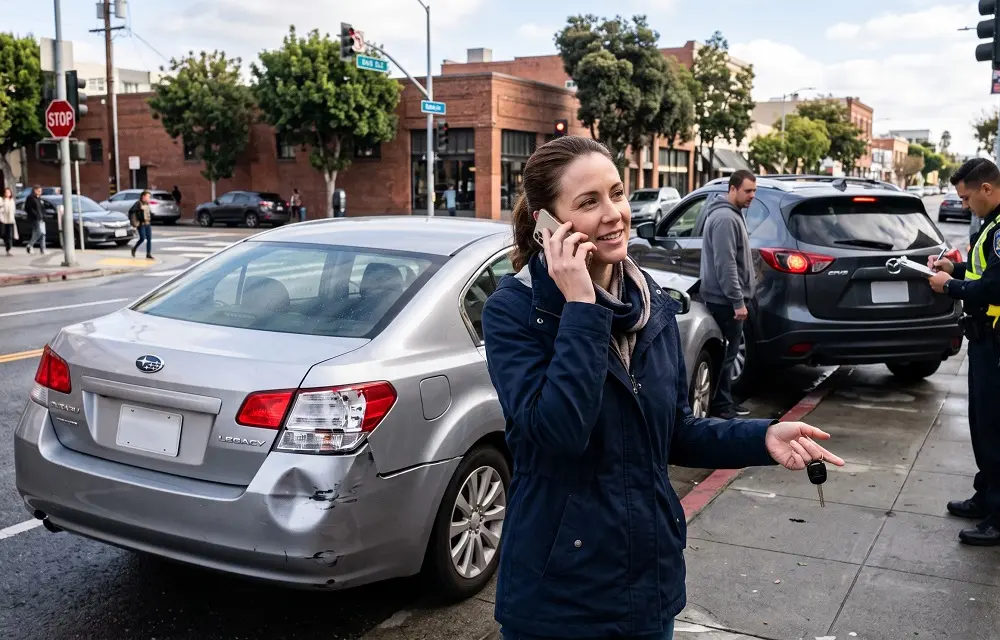
Construir una defensa sólida contra la culpa comienza en el lugar del accidente y continúa en cada etapa de la reclamación. Cuantas más pruebas recopile y conserve, más difícil le resultará a la compañía de seguros trasladarle cualquier parte de la culpa.
El informe policial del accidente
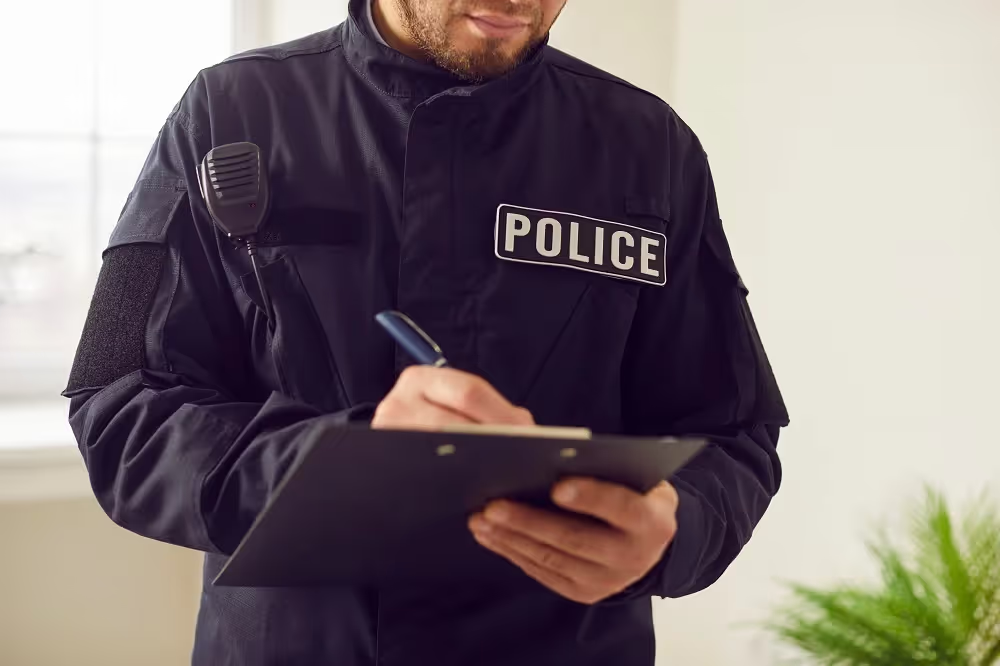
Un informe policial suele ser el primer documento que revisa una aseguradora. Incluye las observaciones del agente, las declaraciones de los conductores, un diagrama del accidente y cualquier citación emitida. Si el otro conductor fue citado por saltarse un semáforo en rojo o no ceder el paso, ese registro respalda su caso. Solicite el informe cuanto antes y revíselo en busca de errores antes de compartirlo con la compañía de seguros.
Fotos y vídeos del lugar del accidente
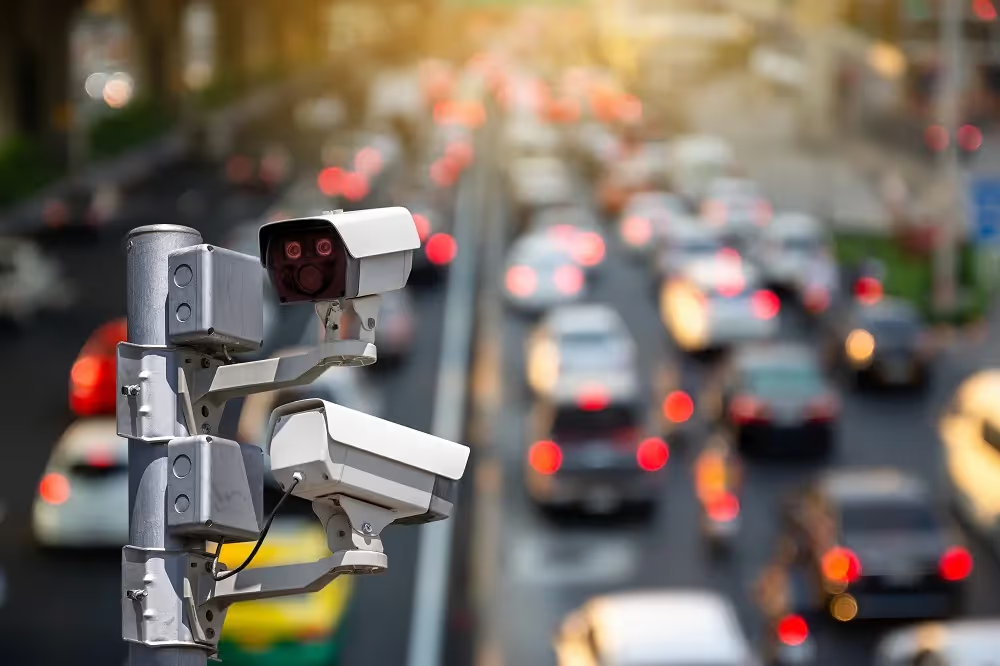
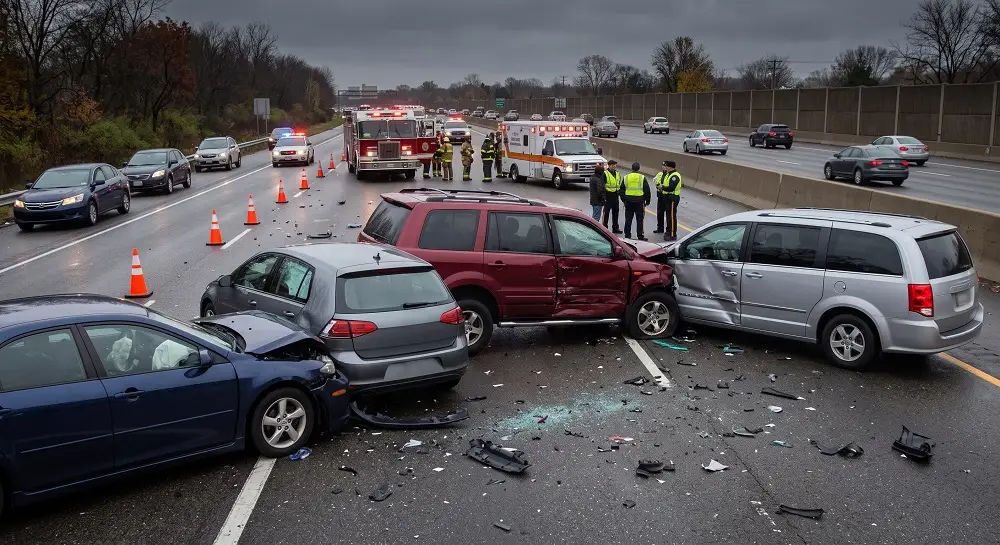
Fotografíe los vehículos desde varios ángulos, así como las condiciones de la carretera, los semáforos, las marcas de frenado, los escombros y las lesiones visibles. Si los negocios cercanos, las cámaras de tráfico, las cámaras de salpicadero o las cámaras de timbre captaron el accidente, esa grabación de vídeo puede mostrar exactamente lo que ocurrió. Las grabaciones suelen sobrescribirse en cuestión de días, así que actúe con rapidez.
Declaraciones de testigos
Los testigos independientes ofrecen relatos imparciales que pueden contradecir la versión del otro conductor. Recopile nombres, números de teléfono y una breve descripción de lo que cada persona vio. El testimonio de un testigo que confirme que el otro conductor se saltó una señal de stop tiene mucho más peso que la declaración de cualquiera de los conductores.
Pruebas físicas en el lugar del accidente
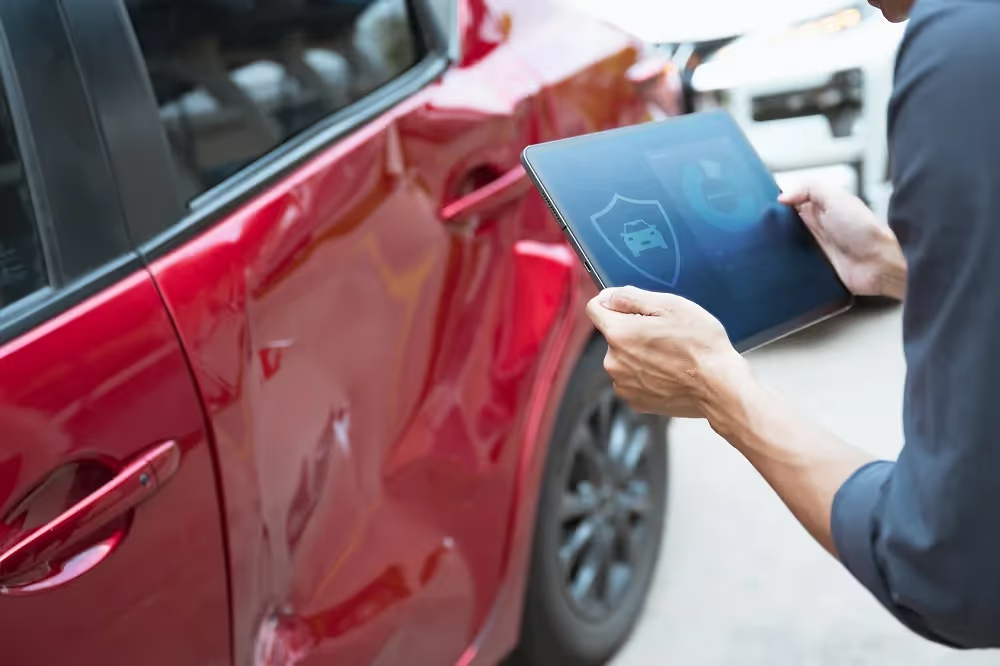
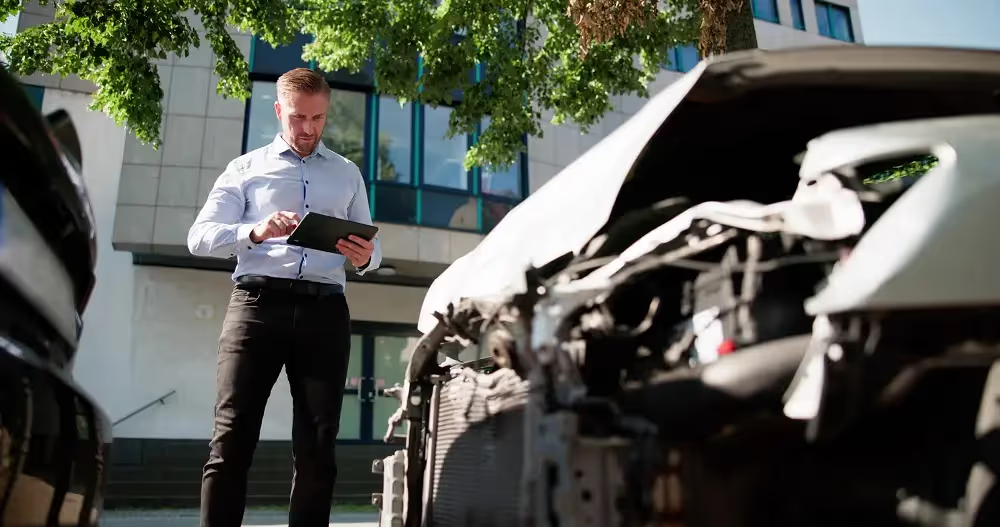
Las marcas de frenado, los surcos, los restos esparcidos y los patrones de daños en los vehículos revelan cómo ocurrió el choque. La longitud de las marcas de frenado puede indicar la velocidad y el comportamiento al frenar, y el punto de impacto en cada coche puede mostrar el ángulo de la colisión. Estas pruebas son especialmente valiosas en choques en intersecciones, cambios de carril y colisiones por alcance donde el otro conductor disputa lo ocurrido.
Sus registros médicos
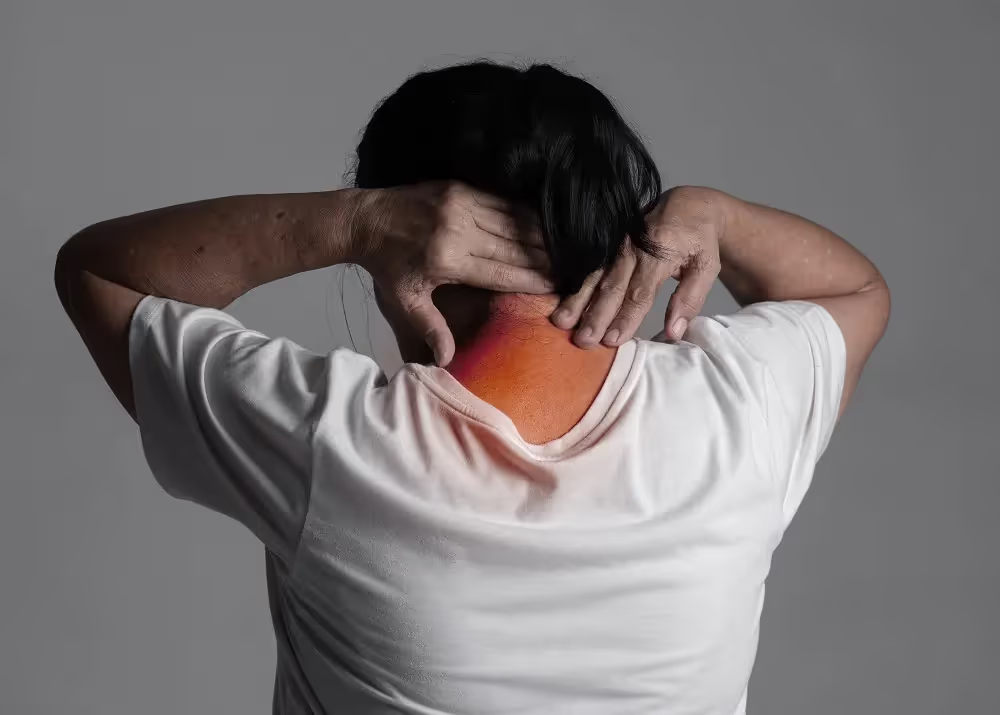
La documentación médica vincula sus lesiones con el accidente y respalda su reclamación como víctima. Busque tratamiento de inmediato, incluso si las lesiones parecen leves. La gravedad de una lesión puede no ser evidente hasta varios días después del choque, una vez que aparecen los síntomas. Además, retrasar la atención médica da pie a que la aseguradora argumente que la colisión no causó su estado, o que sus lesiones no podían ser tan graves si no buscó tratamiento hasta varios días después del accidente. Los registros que comienzan inmediatamente después del accidente crean una cronología que al perito le resultará difícil cuestionar.
#cta_start
No permita que la compañía de seguros del otro conductor reescriba lo sucedido
Usted conoce la verdad. Nosotros le ayudamos a demostrarla. Contacte hoy mismo al abogado John J. Sheehan para una revisión gratuita de su caso. Hablamos español.
#cta_end
Escenarios comunes donde se disputa la culpa
Ciertos tipos de accidentes de tráfico tienen más probabilidades de provocar una disputa sobre quién causó el accidente. Entender cómo se desarrollan estas situaciones puede ayudarle a preparar un caso más sólido.
Colisiones por alcance
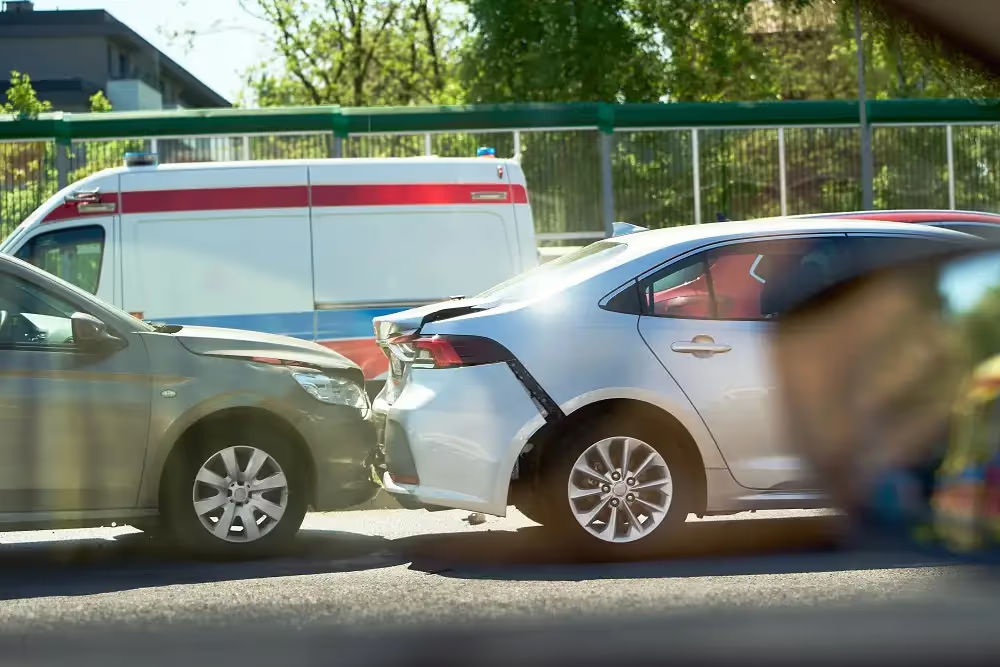
Por lo general, se presume que el conductor que va detrás tiene la culpa en un choque por alcance, ya que las leyes de tráfico de Massachusetts exigen que los conductores mantengan una distancia de seguridad. Sin embargo, el conductor de delante puede compartir la responsabilidad si frenó repentinamente sin motivo, tenía las luces de freno rotas o dio marcha atrás de forma inesperada.
Si le chocaron por detrás, la presunción juega a su favor. Documente los daños en la parte trasera de su vehículo y recopile cualquier declaración de testigos que confirme que usted estaba detenido o circulando normalmente cuando ocurrió la colisión.
Choques en intersecciones
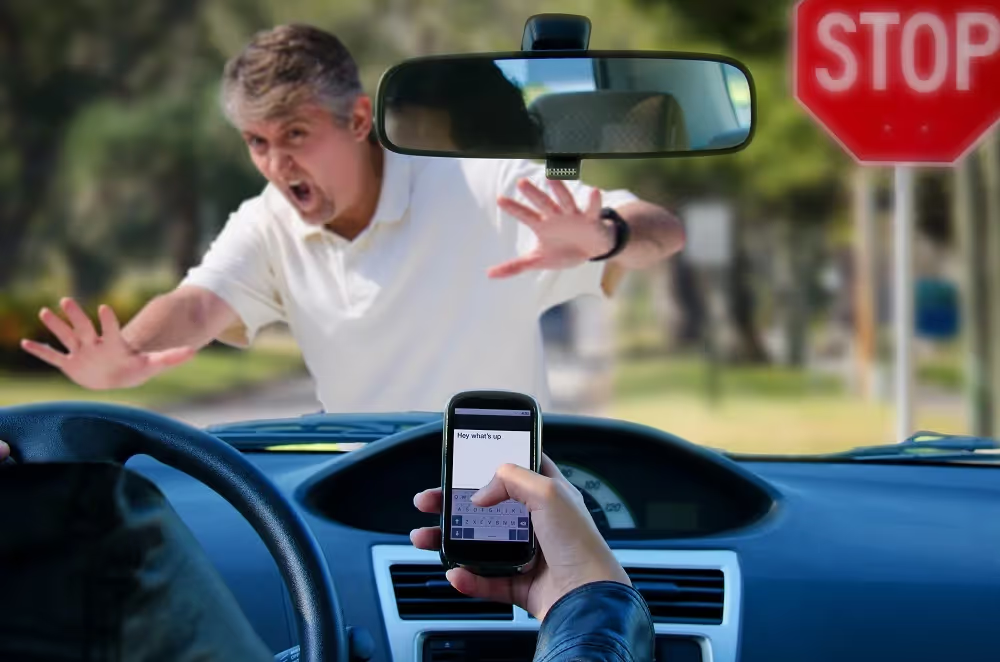
La culpa en las intersecciones suele depender de quién tenía el derecho de paso, si los semáforos funcionaban correctamente y si alguno de los conductores se saltó un semáforo en rojo o no cedió el paso. Estos accidentes a menudo se convierten en una situación de "su palabra contra la mía", lo que hace que las grabaciones de las cámaras de tráfico y los testimonios de los testigos sean especialmente valiosos.
Accidentes al cambiar de carril o incorporarse
Cuando dos vehículos chocan durante un cambio de carril, normalmente se considera culpable al conductor que estaba cambiando de carril. Pero las disputas surgen cuando ambos conductores afirman que estaban en el carril primero o cuando uno de ellos aceleró para bloquear la incorporación.
La ubicación de los daños en los vehículos puede ayudar a aclarar quién se estaba moviendo hacia el carril del otro. Un patrón de raspadura en el lado del pasajero, por ejemplo, sugiere que el otro vehículo se metió en su espacio.
Accidentes en estacionamientos
Los choques en estacionamientos son comunes y, aunque suelen ocurrir a baja velocidad, a menudo generan disputas sobre la responsabilidad. Por lo general, el conductor que sale de un espacio de estacionamiento tiene más responsabilidad que el que circula por el carril de tránsito. Las fotografías que muestren la posición de su vehículo y la ubicación del otro automóvil en relación con el espacio de estacionamiento pueden ayudar a determinar qué sucedió. Algunas personas creen que las normas de tránsito no se aplican en los estacionamientos porque técnicamente son propiedad privada. Sin embargo, incluso en propiedad privada, los conductores están legalmente obligados a actuar con la debida diligencia, respetar las señales de tráfico, ceder el paso a los peatones y seguir las reglas de prioridad estándar.
Pasos para proteger su reclamo cuando el accidente no fue su culpa
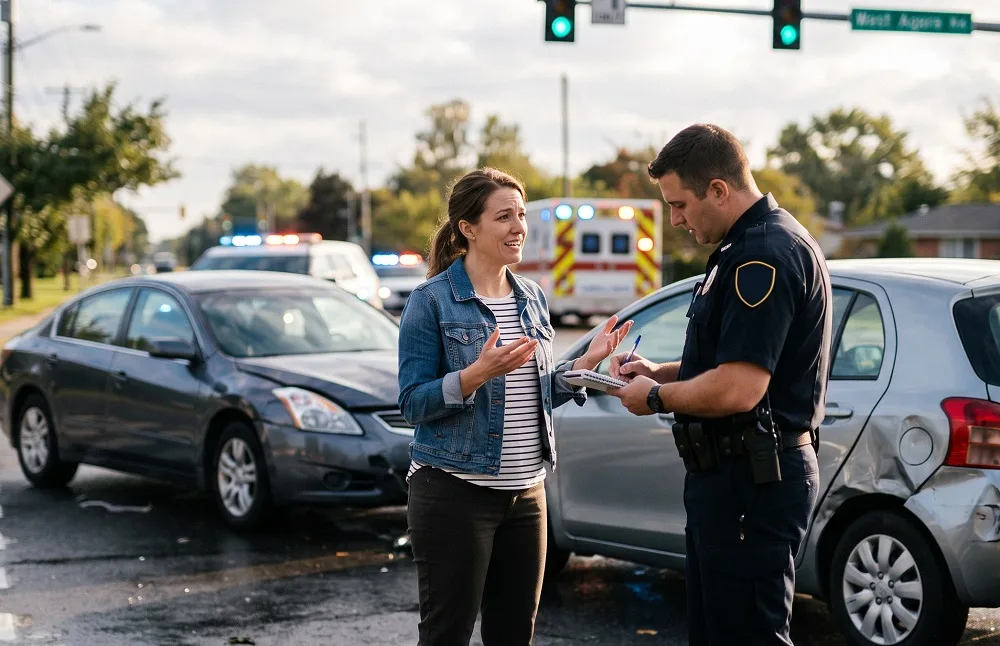
Lo que haga en las horas y días posteriores a un accidente automovilístico afecta directamente su capacidad para demostrar la responsabilidad y proteger su derecho a una indemnización.
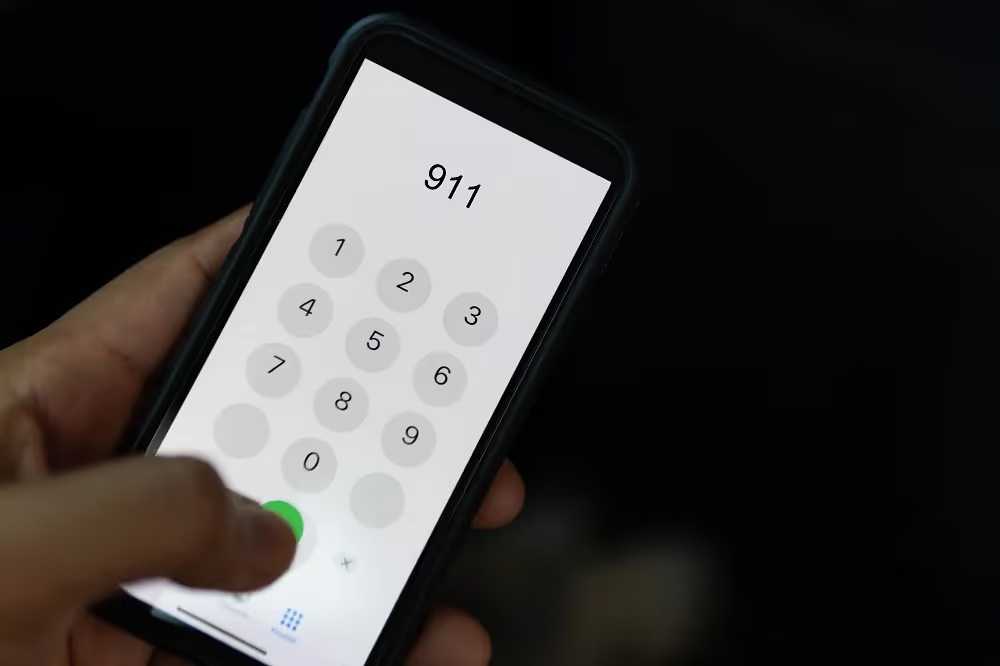
- Llame al 911 y solicite un informe policial. La ley de Massachusetts exige un informe de accidente por escrito cuando hay heridos, fallecidos o daños materiales superiores a $1,000.
- Busque atención médica de inmediato. Las interrupciones en el tratamiento le dan a la aseguradora un argumento para alegar que el choque no fue la causa de sus lesiones.
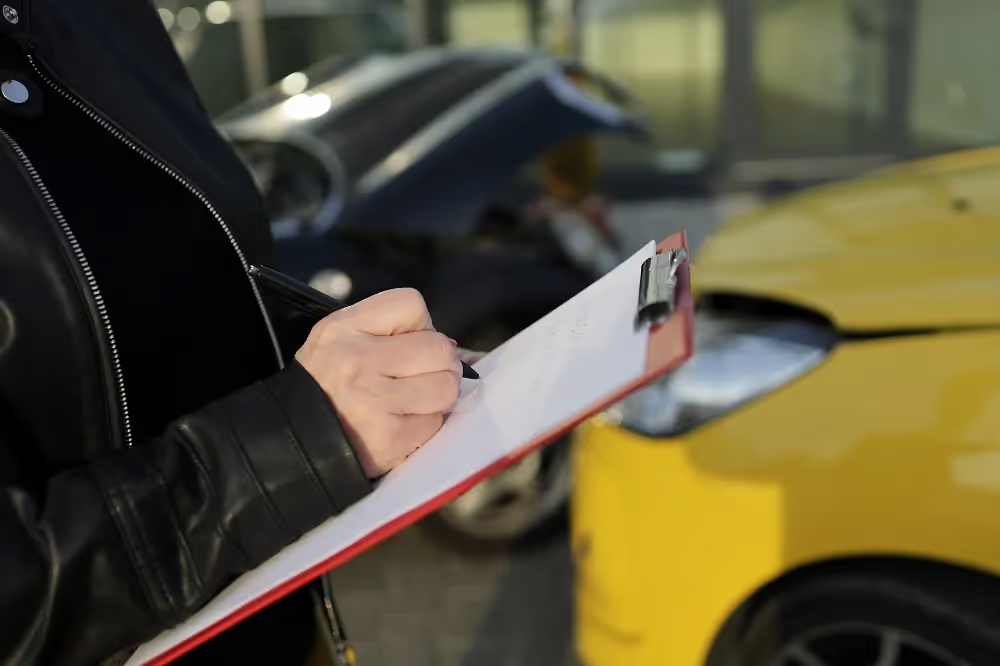
- Documente la escena minuciosamente. Tome fotos y videos de ambos vehículos, la carretera, las señales de tráfico, las condiciones climáticas y cualquier lesión visible.
- Recopile la información de contacto de los testigos. Nombres, números de teléfono y una breve nota sobre lo que cada persona presenció.
- No admita la culpa en el lugar del accidente. Incluso un simple "lo siento" puede ser utilizado en su contra. Limítese a los hechos al hablar con el otro conductor y con la policía.
- No proporcione una declaración grabada a la aseguradora del otro conductor. No está obligado a hacerlo, y cualquier cosa que diga puede utilizarse para asignarle un mayor porcentaje de responsabilidad.
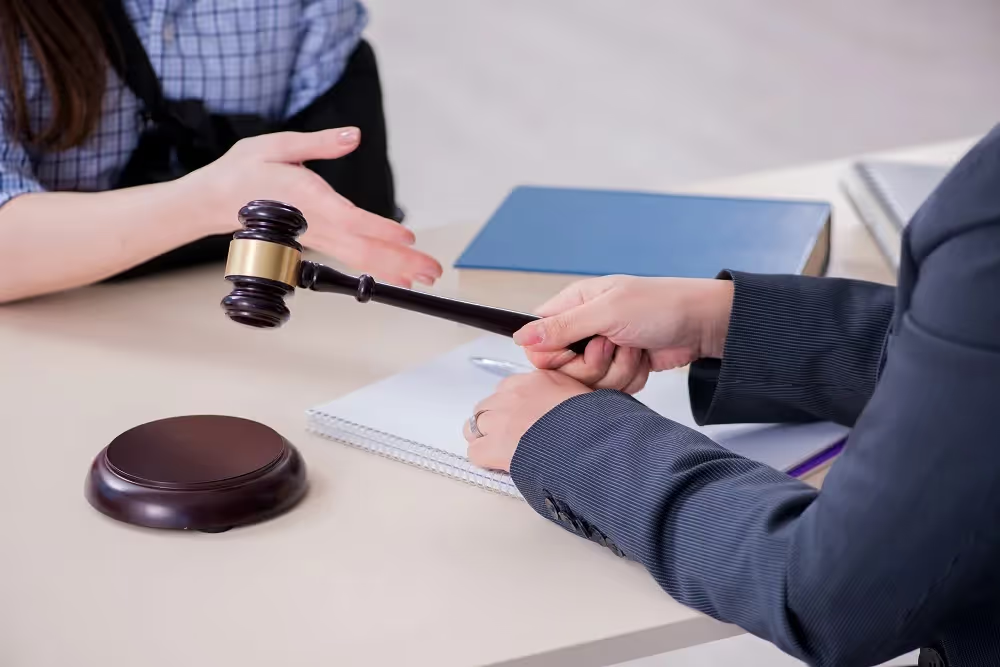
- Hable con un abogado especializado en accidentes de tráfico antes de aceptar cualquier oferta de acuerdo. Un abogado puede revisar las pruebas, impugnar la determinación de responsabilidad de la aseguradora y luchar para obtener una indemnización completa.
Cómo demuestra un abogado que usted no tuvo la culpa
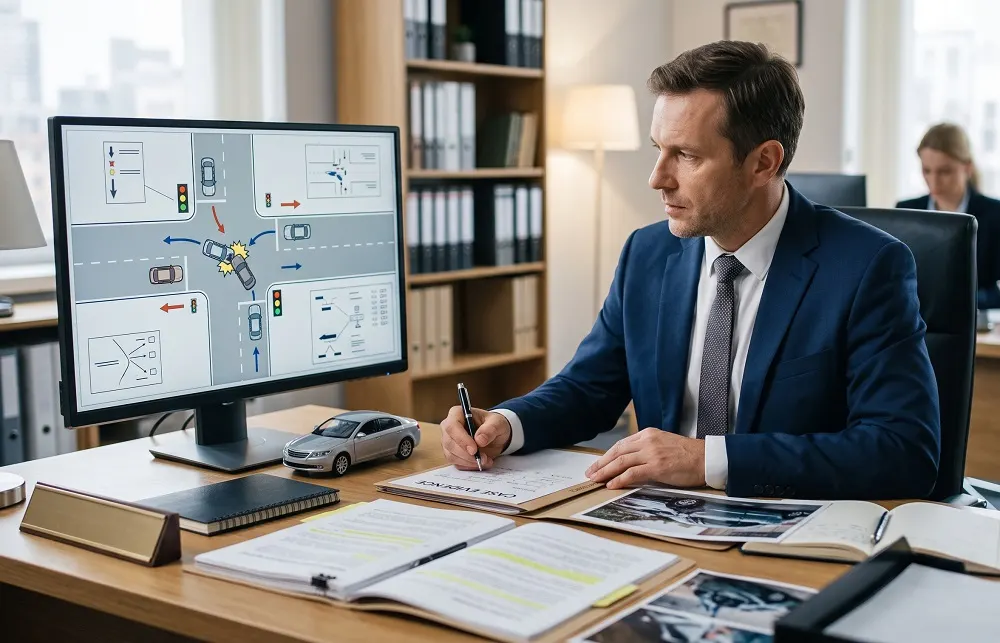
Un abogado con experiencia en accidentes de tráfico hace mucho más que recopilar documentos. Investiga el choque, hace que peritos tomen fotografías de la escena y obtengan declaraciones de testigos, identifica todas las pruebas disponibles y construye un caso diseñado para minimizar o eliminar cualquier responsabilidad que se le atribuya.
Nuestro abogado experto en accidentes de tráfico en Boston:
- Obtendrá y analizará el informe policial completo del accidente;
- Enviará cartas de preservación a empresas y agencias que cuenten con grabaciones de cámaras antes de que estas sean borradas;
- Entrevistará a testigos y tomará declaraciones detalladas;
- Trabajará con profesionales en reconstrucción de accidentes para determinar la velocidad, la distancia de frenado, los ángulos de impacto y la posición de los vehículos;
- Revisará los registros médicos y vinculará las lesiones documentadas con la cronología del accidente;
- Impugnará la determinación de culpabilidad de la compañía de seguros mediante pruebas y argumentos legales;
- Gestionará toda la comunicación con el ajustador para que usted no diga accidentalmente algo que pueda ser sacado de contexto y perjudique su caso.
Las demandas por lesiones personales en Massachusetts generalmente están sujetas a un plazo de prescripción de tres años. Sin embargo, las pruebas desaparecen mucho más rápido, a veces en cuestión de días. Las grabaciones de cámaras, las marcas de frenado y la memoria de los testigos se desvanecen o desaparecen con el tiempo. Cuanto antes actúe, más sólido será su caso.
El accidente de tráfico no fue su culpa. Podemos proteger sus derechos.
Cuando un accidente de tráfico no es su culpa, usted merece una compensación por sus gastos médicos, salarios perdidos, daños al vehículo, dolor y la interrupción de su vida cotidiana. El trabajo de la compañía de seguros es pagar lo menos posible, o nada en absoluto si pueden salirse con la suya. Su trabajo es asegurarse de que las pruebas cuenten la verdadera historia. Y ahí es donde entramos nosotros.
El Law Office of John J. Sheehan lleva luchando por las personas lesionadas en Boston y en todo Massachusetts desde 1993. Si usted resultó herido en un choque y el otro conductor o su compañía de seguros intentan culparlo, podemos revisar su caso, impugnar la determinación de culpabilidad y trabajar para recuperar la máxima cantidad de dinero que se le debe. Contáctenos hoy mismo para una consulta gratuita. No cobramos honorarios a menos que ganemos. Hablamos español.

John J. Sheehan
Abogado gerente
El abogado Sheehan habla español con fluidez y tiene el privilegio de representar a muchos clientes de la comunidad latinoamericana en el área metropolitana de Boston.
¿Le culpan de un accidente que no fue su culpa?
Hable con el abogado John J. Sheehan para una consulta gratuita y confidencial. Ayudamos a las víctimas de accidentes automovilísticos en todo Boston y Massachusetts a luchar contra las determinaciones de culpa injustas. No cobramos honorarios a menos que ganemos.

Encabezado