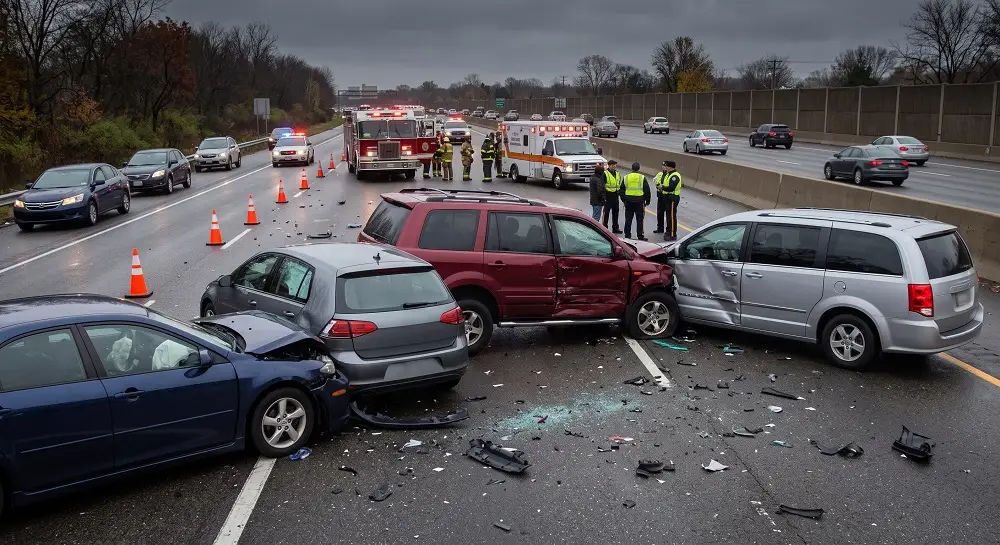
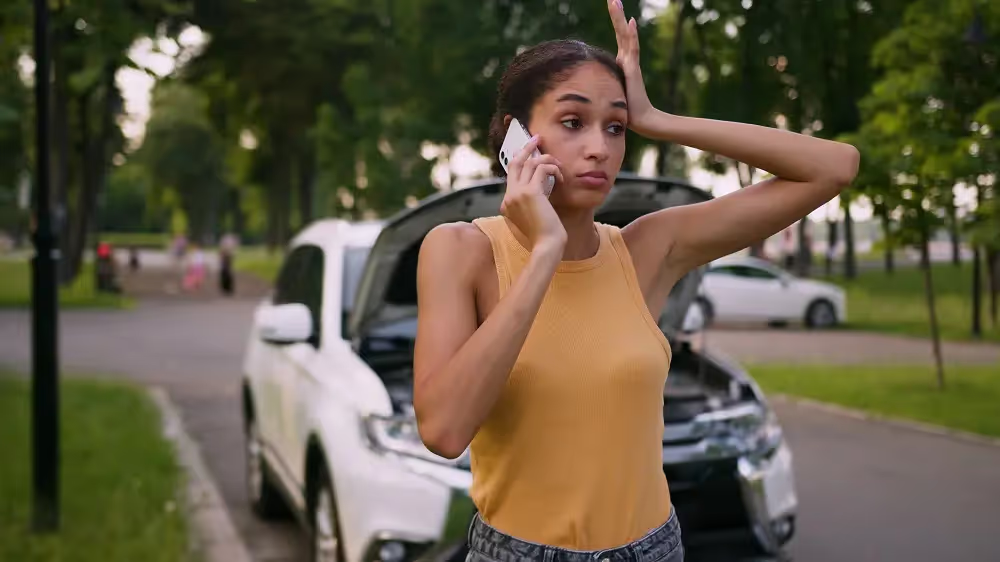
Las grabaciones de cámaras pueden ser una de las piezas de evidencia más sólidas después de un accidente. Un breve clip puede mostrar quién tenía la luz verde, cuál conductor se cambió de carril, si alguien iba excediendo la velocidad o cuán fuerte chocaron los vehículos.
El problema es que la evidencia en video puede desaparecer rápidamente. Las cámaras de las tiendas pueden sobrescribir las grabaciones en días. Las cámaras del tablero pueden reciclar y borrar clips antiguos. Las cámaras de tráfico pueden no guardar ninguna grabación. Por eso, toda persona lesionada en un accidente en Massachusetts debe actuar rápido.
En la Oficina Legal de John J. Sheehan, nuestros abogados de accidentes de auto en Boston saben cómo moverse rápidamente para identificar cámaras cercanas, enviar cartas de preservación, solicitar registros públicos y buscar citaciones judiciales cuando las grabaciones no se entregan voluntariamente.
Respuesta Rápida
Busque cada cámara cercana al accidente: de tráfico, de negocios, del tablero, de timbres y de vehículos comerciales. Solicite las grabaciones gubernamentales a través de la oficina de registros públicos correspondiente. Pida a los dueños privados que preserven el video de inmediato. Si se niegan a entregarlo, un abogado puede buscar la grabación mediante solicitudes formales o citaciones judiciales.
Por Qué las Grabaciones de Cámara Importan Después de un Accidente
Un reporte policial puede describir lo ocurrido. Los testigos pueden explicar lo que vieron. Las fotografías pueden mostrar los daños al vehículo. Pero las grabaciones de cámara pueden mostrar el accidente tal como ocurrió.
El video de un accidente de auto puede ayudar a demostrar:
- La culpa: ¿Qué conductor causó el accidente?
- Infracciones de tráfico: Pasar semaforos en rojo, ignorar señales de alto, giros inseguros o cambios ilegales de carril.
- Velocidad y frenado: Si un conductor redujo la velocidad, no freinó o se incorporó al tráfico demasiado rápido.
- Posición del vehículo: Dónde estaba cada auto antes del impacto.
- Severidad del choque: La fuerza de la colisión y cómo se movieron los vehículos después.
- Conducta de huida del lugar: Si un conductor abandonó el lugar.
- Testigos: Otros conductores, peatones o negocios cercanos al accidente.
Incluso una grabación parcial puede ayudar. Una cámara no necesita capturar cada segundo del accidente para sustentar su reclamo.
Dónde Buscar Grabaciones de Cámara del Accidente
No se enfoque solo en las cámaras de tráfico. Las mejores grabaciones pueden provenir de un negocio, una cámara del tablero o un edificio cercano.
Las fuentes posibles incluyen:
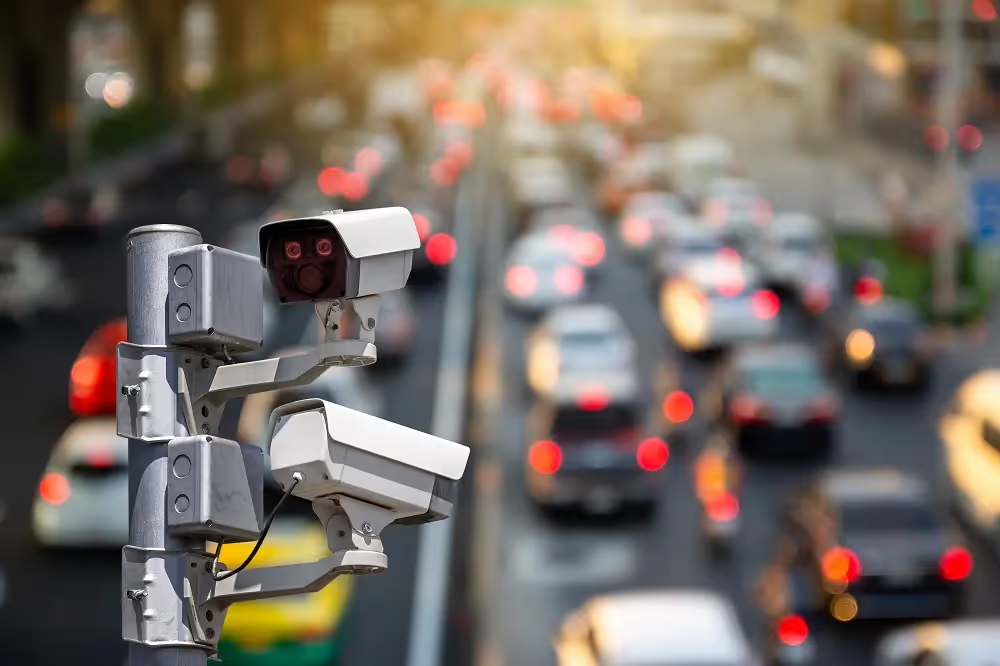
- Cámaras de tráfico de MassDOT: Autopistas, túneles, rampas, puentes y carreteras principales.
- Cámaras de la ciudad o el municipio: Intersecciones, edificios municipales, áreas policiales o calles públicas.
- Cámaras de vigilancia de negocios: Gasolineras, bancos, restaurantes, tiendas, hoteles, estacionamientos y edificios de apartamentos.
- Cámaras del tablero: Su vehículo, el vehículo del otro conductor, vehículos de testigos, autos de transporte por aplicación, camionetas de reparto, autobuses o camiones comerciales.
- Cámaras de timbres: Casas, condominios y entradas de apartamentos cerca del lugar del accidente.
- Cámaras de construcción: Zonas de obra, proyectos viales, grúas y sistemas de seguridad de obra.
La plataforma de tráfico Mass511 de MassDOT puede ayudar a identificar cámaras de tráfico cerca de autopistas y carreteras principales, pero una cámara de tráfico en vivo no necesariamente significa que las grabaciones guardadas estén disponibles.
Busque al otro lado de la calle, detrás de la intersección y en cualquier entrada de estacionamiento. Una cámara de un negocio puede tener un ángulo mejor que el poste del semáforo.
Cómo Solicitar Grabaciones de Cámaras de Tráfico en Massachusetts
Si una agencia gubernamental controla la cámara, puede que necesite presentar una solicitud de registros públicos. Esto puede aplicar a cámaras controladas por MassDOT, una ciudad, un municipio u otra agencia pública.
Para grabaciones de carreteras estatales, use la página de MassDOT para presentar una solicitud de registros públicos al Departamento de Transporte. Para accidentes en Boston, la Ciudad de Boston tiene un Departamento de Registros Públicos para solicitudes de registros municipales.
Su solicitud debe ser específica. Una solicitud vaga puede retrasar el proceso o resultar en una denegación.
Incluya:
- Fecha del accidente
- Hora exacta o estimada
- Calle, intersección, salida, rampa, túnal, puente o marcador de milla
- Dirección del viaje
- Número del reporte del accidente, si está disponible
- Descripciones de los vehículos
- Ubicación de la cámara, si se conoce
- Ventana de grabación solicitada, como 10 minutos antes y 10 minutos después del accidente
- Una solicitud para preservar el video original, marcas de tiempo y metadatos
El Secretario de Estado de Massachusetts explica que las solicitudes de registros públicos pueden hacerse verbalmente o por escrito, pero se necesita una solicitud escrita si más adelante desea apelar una denegación. Las agencias generalmente deben proporcionar una respuesta escrita dentro de 10 días hábiles según el proceso estatal de solicitud de registros públicos.
#cta_start
Usted Nos Trae los Detalles del Accidente. Nosotros Buscaremos la Prueba.
Díganos la hora, el lugar y lo que recuerda. Buscaremos cámaras, registros y evidencia antes de que la pista se enfríe.
#cta_end
Cómo Obtener Grabaciones de Vigilancia o de Cámara del Tablero
Los negocios privados no siguen el mismo proceso que las agencias públicas. Una gasolinera, restaurante, hotel, edificio de apartamentos, tienda o estacionamiento no tiene que responder a una solicitud de registros públicos. Algunos negocios pueden voluntariamente guardar o compartir grabaciones, pero muchos no entregarán el video sin una solicitud del abogado, una citación judicial o un proceso legal.
El primer objetivo es la preservación, no una disputa sobre una copia.
Pida al gerente, dueño de la propiedad u oficina de seguridad que preserve:
- Cámaras exteriores frente a la carretera
- Cámaras del estacionamiento
- Cámaras de entrada y salida
- Cámaras de los surtidores de gasolina
- Cámaras del área de carga
- Cámaras orientadas al vestíbulo o la ventana
- Archivos originales, marcas de tiempo, registros del sistema y metadatos
Las grabaciones de cámaras del tablero pueden ser igual de valiosas. Pueden provenir de su vehículo, del vehículo del otro conductor, de un testigo, de un auto de transporte por aplicación, de una camioneta de reparto, un autobús o un camión comercial. Los vehículos comerciales también pueden almacenar datos GPS, datos de frenado, telemática y video activado por eventos.
Qué Hacer Si No Existe Grabación del Accidente
La ausencia de evidencia en video no significa que no hay caso. Muchos reclamos sólidos por accidentes de auto en Massachusetts se construyen con otra evidencia.
Si las grabaciones no están disponibles, otras pruebas pueden incluir:
- Reporte policial del accidente
- Fotografías de los daños al vehículo
- Fotografías de marcas de frenado, escombros, semáforos, señales y condiciones de la carretera
- Declaraciones de testigos
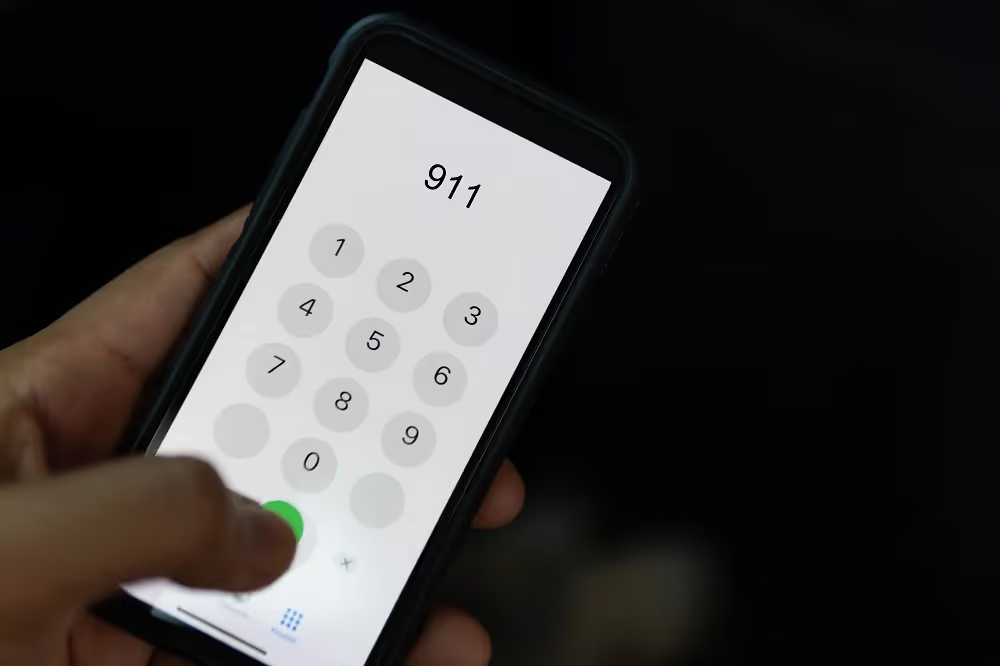
- Llamadas al 911 y registros de despacho
- Registros de ambulancia y sala de emergencias
- Registros médicos
- Estimados de reparación
- Información del registrador de datos del evento
- Registros del teléfono celular en casos de manejo distraído
- Análisis de reconstrucción del accidente
Puede solicitar un reporte de accidente de Massachusetts a través de la página del RMV. También puede solicitar registros de llamadas de emergencia a través de la página estatal para solicitar grabaciones del 911.
Las demandas por lesiones personales en Massachusetts están generalmente sujetas a un plazo de tres años bajo M.G.L. c. 260, § 2A, pero las grabaciones de cámara pueden desaparecer en horas o días. El plazo de la demanda y el tiempo de eliminación del video no son lo mismo.
Cómo un Abogado Puede Preservar y Obtener Grabaciones por Citación Judicial
Un abogado frecuentemente puede actuar más rápido y efectivamente que una persona lesionada que trabaja sola. La participación del abogado importa porque muchos dueños de cámaras no entregarán grabaciones a particulares.
Un abogado de accidentes de auto puede:
- Enviar cartas de preservación a negocios, conductores, empleadores, aseguradoras y agencias.
- Identificar cámaras cercanas mediante la investigación del lugar.
- Solicitar registros de MassDOT, la ciudad, el municipio o la policía.
- Contactar a dueños de vehículos comerciales antes de que el video sea sobrescrito.
- Exigir datos de cámara del tablero y telemática.
- Usar citaciones judiciales después de iniciado el litigio.
- Comparar las grabaciones con el reporte policial, las declaraciones de testigos y la evidencia médica.
La Regla 45 del Procedimiento Civil de Massachusetts rige las citaciones, incluyendo las citaciones para documentos e información almacenada electrónicamente. Los archivos de video, grabaciones de cámaras del tablero y registros de vigilancia digital pueden caer en esa categoría.
Una citación puede forzar la producción en el caso correcto, pero no puede recuperar grabaciones que fueron eliminadas antes de que alguien las preservara.
Obtenga Ayuda con las Grabaciones Después de un Accidente
La evidencia en video puede desaparecer mucho antes de que su reclamo de lesión se resuelva. Una respuesta legal rápida puede marcar la diferencia entre grabaciones guardadas y pruebas perdidas. En la Oficina Legal de John J. Sheehan, podemos actuar rápidamente para identificar cámaras cercanas, enviar cartas de preservación, solicitar registros públicos y, cuando sea apropiado, obtener grabaciones por citación.
Si resultó herido en un accidente de auto en Massachusetts, contáctenos hoy para una consulta gratuita. Sin honorarios a menos que ganemos. Y recuerde… Cuando hable conmigo nada se pierde en la comunicación.

John J. Sheehan
Abogado gerente
El abogado Sheehan habla español con fluidez y tiene el privilegio de representar a muchos clientes de la comunidad latinoamericana en el área metropolitana de Boston.
No Deje que la Historia del Otro Conductor Sea la Única Historia
Las grabaciones pueden desmentir excusas rápidamente. Contáctenos hoy para que podamos actuar antes de que se pierdan las grabaciones clave.

Encabezado