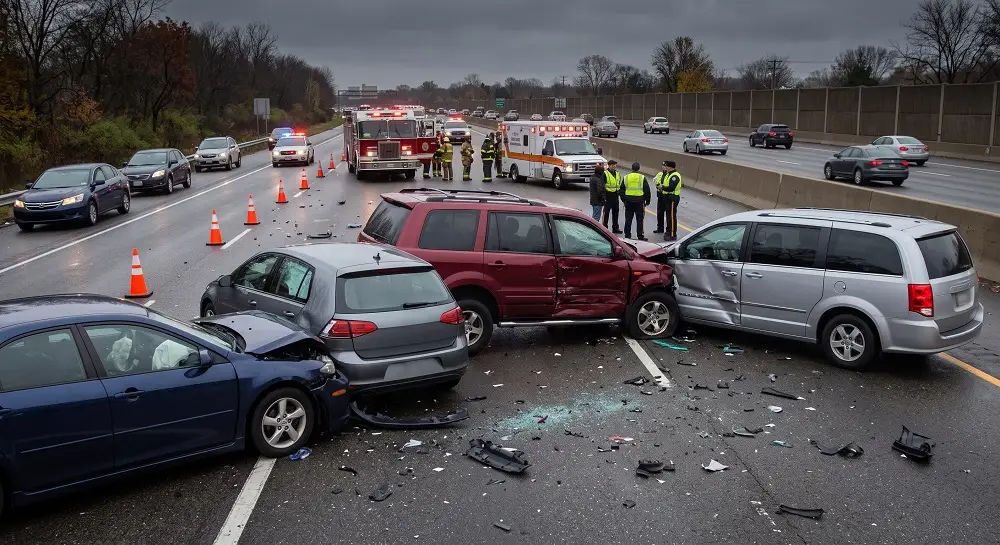
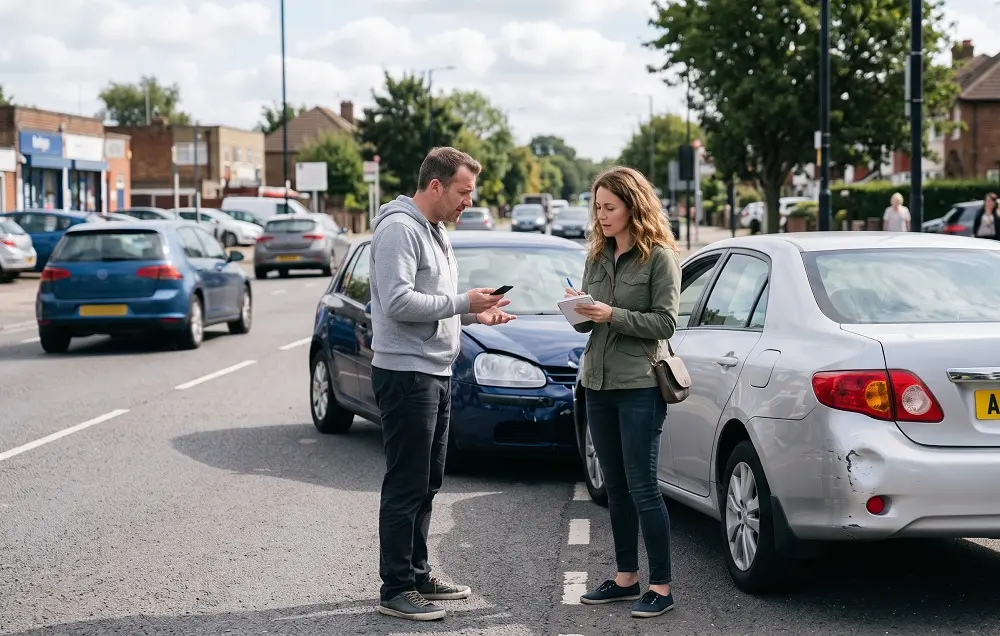
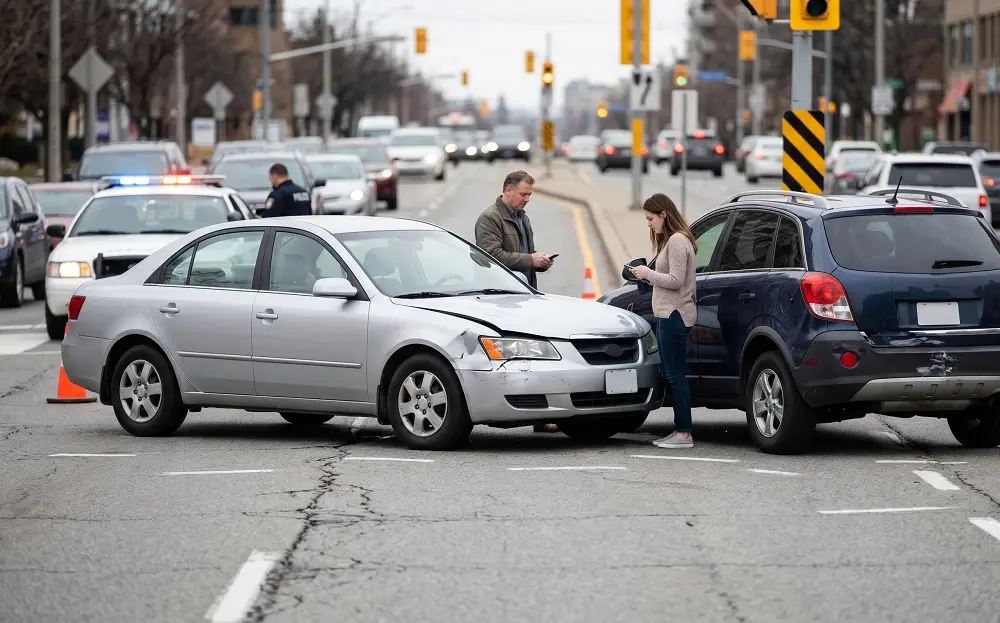
After a car accident, you cannot file a liability claim for your injuries and damages against a driver you cannot identify. But in Massachusetts, you do not need to. About half the states, including Massachusetts, require every driver to carry uninsured motorist (UM) coverage, which applies directly to hit-and-run accidents. When the at-fault driver flees, your own car insurance for a hit and run can cover medical bills, lost wages, and other injury-related losses up to your policy limits.
The Law Office of John J. Sheehan helps hit-and-run victims throughout Boston and Massachusetts fight for fair insurance payouts. Our Boston car accident attorneys know how to navigate UM claims, push back against lowball offers, and recover maximum compensation. Attorney Sheehan has been standing up for injured people across the state since 1993.
How Hit-and-Run Insurance Works in Massachusetts
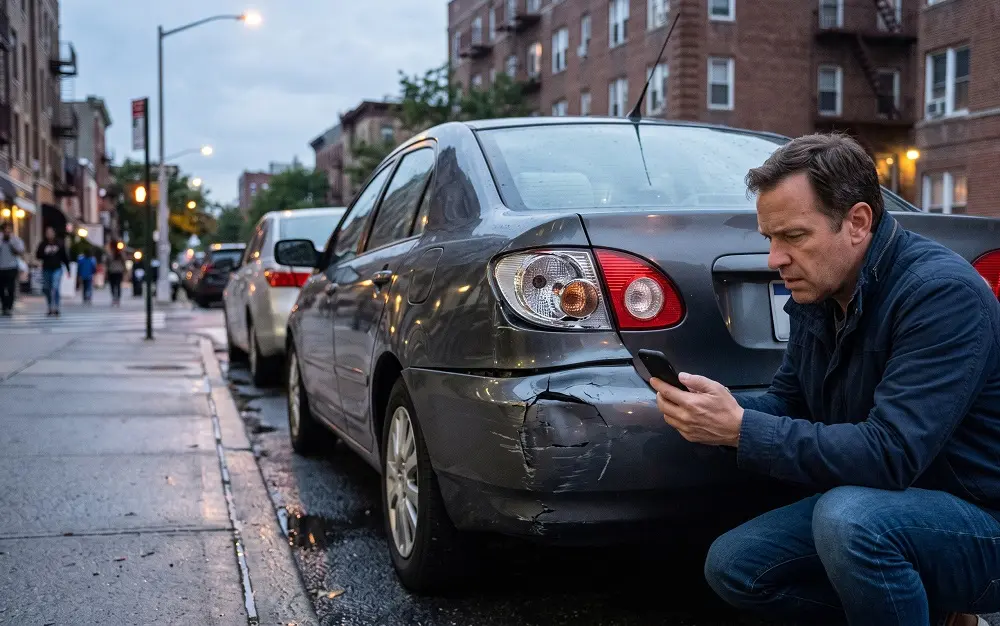
Insurance coverage after a hit-and-run depends on the type of policy you carry, not on the other driver's policy. Massachusetts has specific rules that protect crash victims even when the at-fault driver disappears.
Uninsured Motorist Coverage Is Your Primary Protection
Massachusetts is one of 20 states (currently) that requires every registered vehicle to carry uninsured motorist (UM) bodily injury coverage. According to the Massachusetts Division of Insurance, this coverage protects you, anyone you allow to drive your car, household members, and passengers against losses caused by an uninsured or unidentified driver. A hit-and-run driver is treated the same as an uninsured driver under this coverage because the driver cannot be identified.
As of July 1, 2025, the minimum UM limits in Massachusetts increased to $25,000 per person and $50,000 per accident. These are the state minimums. If you purchased higher limits, your coverage may be significantly greater.
What UM Coverage Pays for After a Hit-and-Run
A hit-and-run insurance claim filed under your UM policy can cover several categories of harm. These include medical bills, hospital stays, surgery costs, rehabilitation, lost wages, pain and suffering, and other injury-related losses up to your policy limits.
UM coverage applies whether you were driving your own vehicle, riding as a passenger, or even walking as a pedestrian when the unidentified driver struck you. It does not matter that you never learn the name of the driver who fled.
What a Hit-and-Run Claim Can Cover
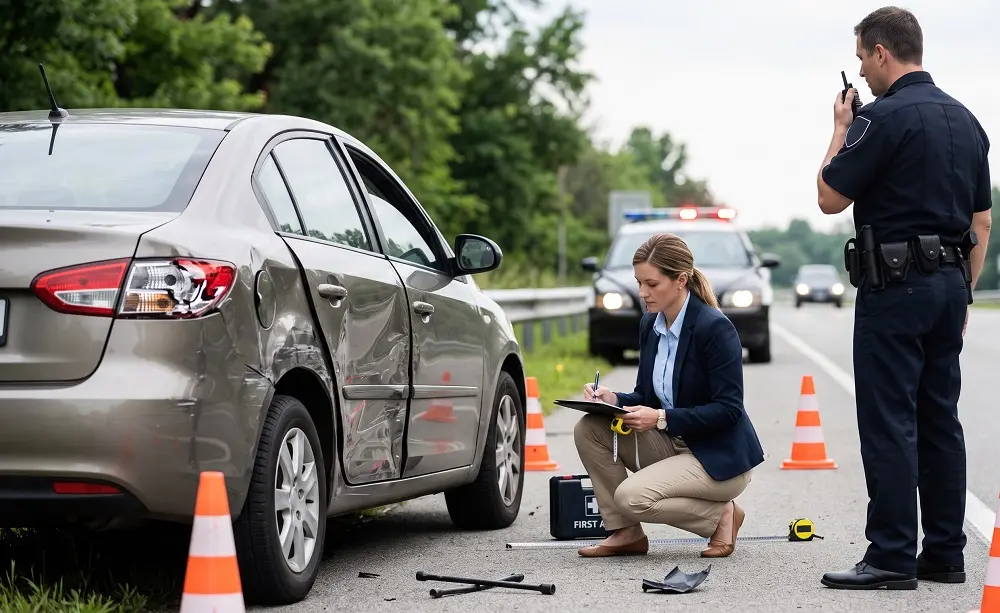
After a hit-and-run crash, your losses usually fall into two broad categories: physical harm to you and damage to your vehicle. Different insurance coverages handle each one, and understanding the difference can prevent surprises when you file a claim.
Bodily Injury
Your UM coverage pays for injuries you and your passengers suffer when the at-fault driver is unidentified. That includes emergency room visits, surgeries, physical therapy, lost wages, and pain and suffering. Massachusetts UM bodily injury limits start at $25,000 per person and $50,000 per accident as of July 2025, though serious injuries often exceed those minimums.
Property Damage
UM coverage in Massachusetts does not extend to vehicle damage. The only way to recover repair or replacement costs when the driver flees is through collision coverage, which is optional. If you carry it, your insurer covers repairs up to the vehicle's actual cash value minus your deductible. Without it, you pay out of pocket.
Medical Payments Coverage (MedPay)
MedPay is an optional coverage that pays for medical and funeral expenses for you and your passengers regardless of fault. It can supplement PIP when your bills exceed the $8,000 limit, and it works alongside both PIP and UM benefits at the same time.
Other Insurance That May Apply After a Hit-and-Run Crash
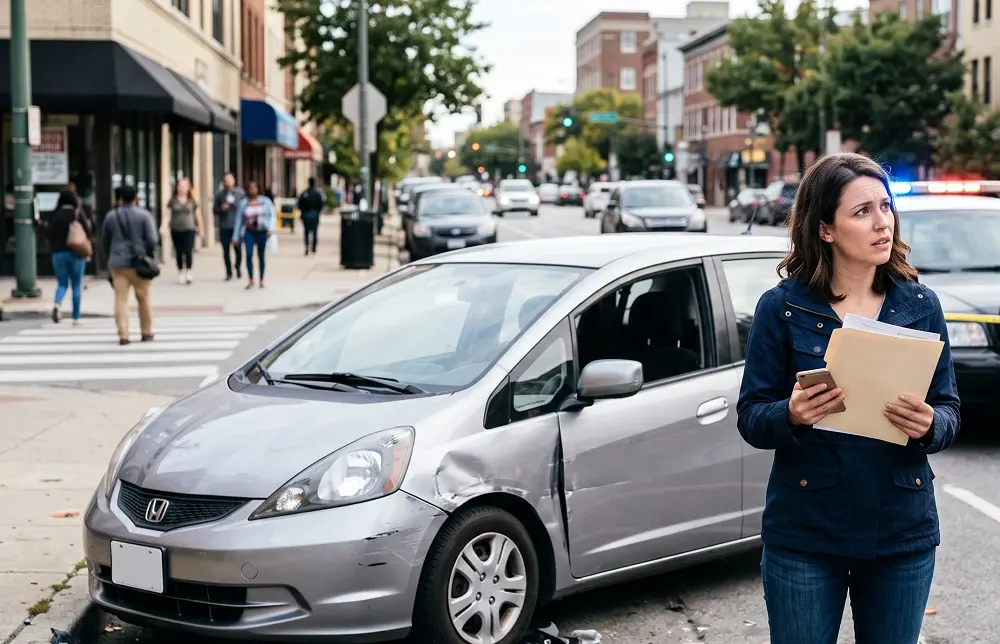
UM coverage is not the only policy that may help after a hit-and-run in Massachusetts. Several other insurance coverages could apply depending on your situation.
Personal Injury Protection (PIP)
Massachusetts is a no-fault state, and every driver must carry Personal Injury Protection. PIP covers medical expenses, up to 75% of lost wages, and replacement services up to a limit of $8,000 per person regardless of who caused the accident. PIP kicks in immediately, even before your UM claim is resolved.
Collision Coverage
If you carry collision coverage on your policy, it can pay for damage to your vehicle after a hit and run. This is typically the only way to recover vehicle repair costs when the at-fault driver is never found. Keep in mind that a deductible will apply.
Underinsured Motorist Coverage (UIM)
If the hit-and-run driver is eventually identified and turns out to have insurance but not enough to cover your losses, underinsured motorist coverage can make up the gap. UIM is not mandatory in Massachusetts, but it is available as an optional add-on and can be important when injuries are serious.
Household Member Policies
If you live with a family member who has a separate Massachusetts auto insurance policy, you may be able to file a UM claim under their coverage as well. Massachusetts law allows household members related by blood, marriage, or adoption to access another policy in the home.
#cta_start
Don't Let the Hit-and-Run Driver Win by Default
Just because you can’t locate the at-fault driver doesn't mean you’re out of luck. You do not need to know who hit you to file a claim. Contact Attorney John J. Sheehan today for a free case review and find out what your insurance covers. Hablamos español.
#cta_end
Steps to Take After a Hit and Run in Massachusetts
What you do in the hours and days after a hit-and-run accident can directly affect your insurance claim and your ability to recover compensation.
- Call 911 and file a police report. Massachusetts law under M.G.L. Chapter 90, Section 26 requires a written crash report when someone is injured, killed, or property damage exceeds $1,000.
- Get medical attention right away. Delayed treatment can give your insurer a reason to question whether the crash caused your injuries.
- Document everything at the scene. Take photos of vehicle damage, skid marks, debris, and road conditions, and write down the time, location, and any details about the other vehicle.
- Talk to witnesses. Get names and contact information from anyone who saw the crash or the fleeing vehicle.
- Notify your insurance company. Open a hit-and-run insurance claim under your UM coverage as soon as possible.
- Contact a car accident lawyer. A lawyer can review your policy, handle the claim, and push back if the insurer undervalues your losses.
Why Insurance Companies Fight Hit-and-Run Claims

Filing a UM claim after a hit and run means you are making a claim against your own insurance company. That company has a financial interest in paying as little as possible, or even nothing at all, despite having been paying premiums for this exact coverage for years.
Insurers may challenge a hit-and-run insurance claim in several ways. They may question whether another vehicle was actually involved. They may argue that your injuries are not as serious as you claim. They may dispute medical treatment, delay processing, or push a low settlement offer before you understand the full cost of your injuries.
In Massachusetts, uninsured and underinsured motorist claims that cannot be resolved through negotiation go through binding arbitration rather than a jury trial. The arbitration process has its own rules and timelines. An experienced car accident attorney can present medical evidence, wage loss documentation, and other proof to fight for the full value of your claim.
Will a Hit-and-Run Claim Raise Your Insurance Cost
This is one of the most common concerns after a hit-and-run crash, and the answer in Massachusetts is more favorable than in many other states.
Massachusetts uses a Safe Driver Insurance Plan (SDIP) that assigns surcharge points based on at-fault accidents and traffic violations. Under SDIP rules, a surchargeable accident requires that the operator be more than 50 percent at fault and that the claim payment exceed $1,000. If you are the victim of a hit-and-run, you are not at fault, so your UM claim should not trigger a surcharge under this system.
That said, Massachusetts is a no-fault state, and filing any claim can sometimes factor into how your insurer views your overall risk profile. In practice, a not-at-fault hit-and-run claim is far less likely to raise your rates than an at-fault accident. Some carriers also offer accident forgiveness endorsements that prevent your first claim from affecting your premium at all.
If you are concerned about the cost impact, talk to your attorney before accepting or declining a settlement. In many cases, the compensation you recover through a UM claim far outweighs any potential premium adjustment.
Hit-and-Run Penalties in Massachusetts

While the focus of your case is recovering compensation for your damages and injuries, it helps to understand what the fleeing driver faces if identified. Leaving the scene of an accident is a criminal offense in Massachusetts. The penalties depend on the severity of the crash.
For property damage only, a conviction can result in fines up to $200, up to two years in jail, and a 60-day license suspension. When the crash causes personal injury, penalties increase to mandatory jail time of at least six months, fines between $500 and $1,000, and a one-year license suspension. If the hit-and-run results in a death, the driver faces between two and a half and ten years in state prison and fines up to $5,000.
These criminal penalties are separate from your civil claim for damages. Even if the driver is never caught, you can still pursue compensation through your insurance.
What If There’s No Insurance Coverage
In rare situations, a hit-and-run victim may not have adequate insurance. This can happen if a person was driving an unregistered vehicle, if coverage lapsed, or if the injured person was a pedestrian without a vehicle policy.
Massachusetts has an Assigned Claims Plan designed for situations where no automobile insurance policy covers the injured person. Through this plan, victims may still be able to recover compensation even without having their own auto insurance.
If you are unsure whether any coverage applies in your case, speaking with an attorney is the most effective way to identify every available source of compensation.
Let Our Experienced Boston Injury Lawyer Handle the Insurance Company
A hit and run can leave you with medical bills, vehicle damage, missed paychecks, and no name to attach to the driver who caused it all. But Massachusetts law gives you tools to recover, and the right attorney can make sure you use every one of them.
The Law Office of John J. Sheehan has been successfully fighting for injured people in Boston and throughout Massachusetts for over 3 decades. If you were hurt in a hit-and-run crash, we can review your coverage, handle your UM claim, and work to recover full and fair compensation. Contact us today for a free consultation. There is no fee unless we win. Se habla español.

John J. Sheehan
Managing Attorney
Attorney Sheehan is fluent in Spanish and is privileged to represent many clients from the Latin American community in the Greater Boston area.
Hit by a Driver Who Took Off? You Still Have Options.
Talk to Attorney John J. Sheehan for a free consultation. We help hit-and-run victims across Boston and Massachusetts recover compensation through their own insurance. No fee unless we win.

Heading