

What Are Caught-In-Between Construction Accidents?
Caught-in-between accidents occur when construction workers are caught, crushed, squeezed, or compressed between two or more objects. Unlike being struck by falling objects, these accidents involve workers becoming trapped with no escape, often resulting in the most catastrophic construction injuries.
OSHA's "Fatal Four" Classification
The Occupational Safety and Health Administration identifies caught-in-between hazards as one of construction's "Fatal Four" — the four accident types responsible for over 60% of construction worker deaths. These preventable accidents continue killing workers because employers fail to follow basic safety protocols.
Why Caught-In-Between Accidents Are So Deadly
- Extended entrapment prevents quick rescue and medical treatment
- Crushing force causes multiple traumatic injuries simultaneously
- Restricted blood flow leads to tissue death and amputation
- Oxygen deprivation in trench collapses causes brain damage or death
- Remote work locations delay emergency response and treatment
Types of Caught-In-Between Accidents in Boston Construction
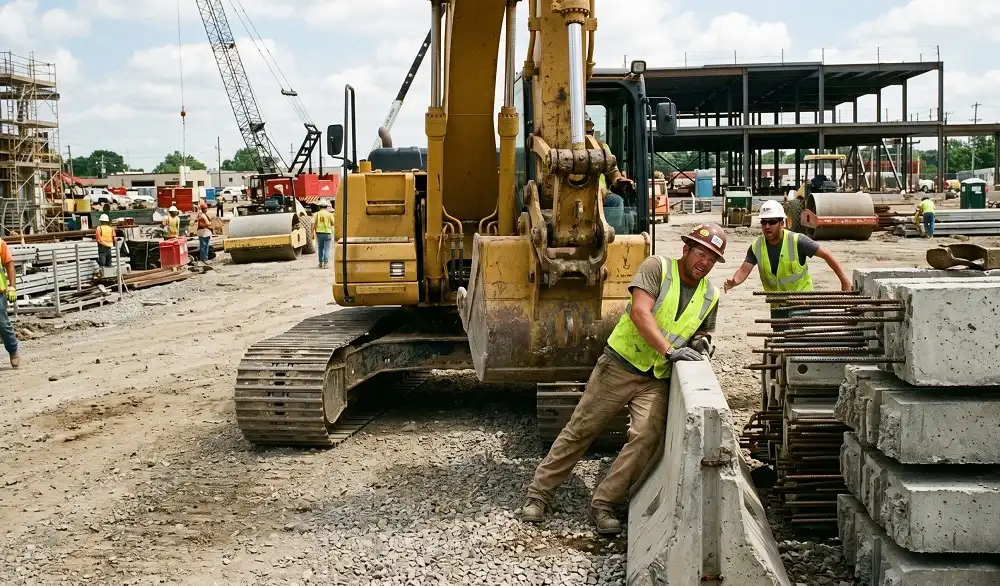
Attorney John J. Sheehan represents victims of all caught-in-between construction accidents:
The deadliest caught-in-between scenarios killed 39 workers in 2022 alone:
- Unprotected trenches deeper than 5 feet without proper shoring systems
- Soil collapse burying workers under thousands of pounds of earth
- Utility line installation accidents in Lawrence, Lynn, and East Boston
- Water main and sewer projects with inadequate trench protection
- Excavation equipment operating too close to trench edges
- Spoil pile placement too close to excavation, causing secondary cave-ins
Massachusetts OSHA violations in trench accidents:
- 28% of citations involve spoil placement too close to trench edges
- 26% fail to conduct required daily trench inspections
- 9% lack a designated "competent person" for trench safety oversight
Construction equipment tips, slides, or rolls over, trapping workers underneath:
- Crane tip-overs when lifting loads beyond rated capacity
- Bulldozer and excavator rollovers on unstable ground or slopes
- Workers caught between equipment and walls, buildings, or other machinery
- Maintenance accidents when equipment isn't properly locked out
- Backup accidents in equipment blind spots
- Hydraulic system failures, dropping heavy loads or attachments
Workers crushed by improperly stored or handled construction materials:
- Concrete panel collapses during installation or storage
- Steel beam and rebar falling or shifting during placement
- Lumber and plywood stacks toppling over workers
- Forklift and crane accidents pinning workers against structures
- Loading dock incidents between trucks and warehouse walls
- Improper stacking of pipes, masonry, and building materials
Workers trapped when scaffolding, walls, or structures fail:
- Scaffold collapse trapping workers between the metal framework
- Wall collapses during demolition or construction
- Falsework failure in concrete pours and structural work
- Inadequate bracing causing structural instability
- Weather-related collapses from wind loading or foundation failure
Workers caught in moving parts of construction equipment:
- Power tool entanglement when guards are removed or missing
- Conveyor belt accidents pulling workers into machinery
- Mixing equipment trapping hands, arms, or clothing
- Rotating equipment without proper lockout/tagout procedures
- Saw and cutting equipment accidents during maintenance or operation
Devastating Injuries from Caught-In-Between Accidents
Caught-in-between accidents cause the most severe and life-changing construction injuries:
- Multiple bone fractures throughout the body
- Internal organ damage requiring emergency surgery
- Spinal cord injuries causing paralysis and permanent disability
- Chest compression causing respiratory failure
- Abdominal crushing damaging the liver, spleen, and kidneys
- Limb amputations when machinery severs arms, legs, hands, or feet
- Finger and hand crushing requiring reconstructive surgery or amputation
- Degloving injuries, where skin and tissue are torn from the body
- Mangled extremities requiring multiple surgeries and rehabilitation
- Trench cave-ins causing death by suffocation under soil and debris
- Chest compression preventing breathing and causing cardiac arrest
- Toxic gas exposure in confined spaces and excavations
- Oxygen deprivation leading to brain damage and death
- Traumatic brain injury from crushing head trauma
- Skull fractures and brain hemorrhaging
- Cognitive impairment and personality changes
- Permanent vegetative state or death from severe brain trauma
Don't Face Crushing Medical Bills Alone
Get emergency legal help for caught-in-between construction accidents.

Massachusetts Workers' Compensation for Caught-In-Between Injuries
Caught-in-between accidents often result in permanent disabilities requiring maximum benefits:
Medical Benefits — 100% Coverage
- Emergency trauma surgery for crushing injuries and internal damage
- Orthopedic reconstruction for broken bones and joint damage
- Prosthetic devices and wheelchairs for amputations and paralysis
- Long-term rehabilitation, including physical and occupational therapy
- Psychological counseling for trauma and adjustment to permanent disability
Disability Benefits — Maximizing Weekly Payments
- Temporary Total Disability at 60% of average weekly wages during recovery
- Permanent Total Disability for workers who can never return to any work
- Partial Disability for reduced earning capacity after treatment
- Specific Loss Benefits for scheduled injuries like amputations
- Current maximum weekly benefit: $1,922.48 (2025 Massachusetts rates)
Vocational Rehabilitation Services
- Job retraining for workers who cannot return to construction
- Educational programs for new career development
- Assistive technology for workers with permanent disabilities
- Job placement assistance in suitable alternative employment
The Critical DIA Conference Stage
Massachusetts workers' compensation cases progress through four stages:
- Conciliation (12-14 days) — Initial dispute resolution attempt
- Conference (2-4 months) — THE CRITICAL STAGE, where the Administrative Judge orders or denies payment of workers' compensation benefits
- Hearing (if necessary) — Formal court proceeding with medical testimony
- Reviewing Board — Three-judge appeal panel for appeals of DIA Hearing Decisions
Attorney Sheehan's Conference preparation is crucial for caught-in-between cases because these severe injuries often result in permanent disability determinations that affect benefits for life.
Third-Party Claims: Additional Compensation Beyond Workers' Comp
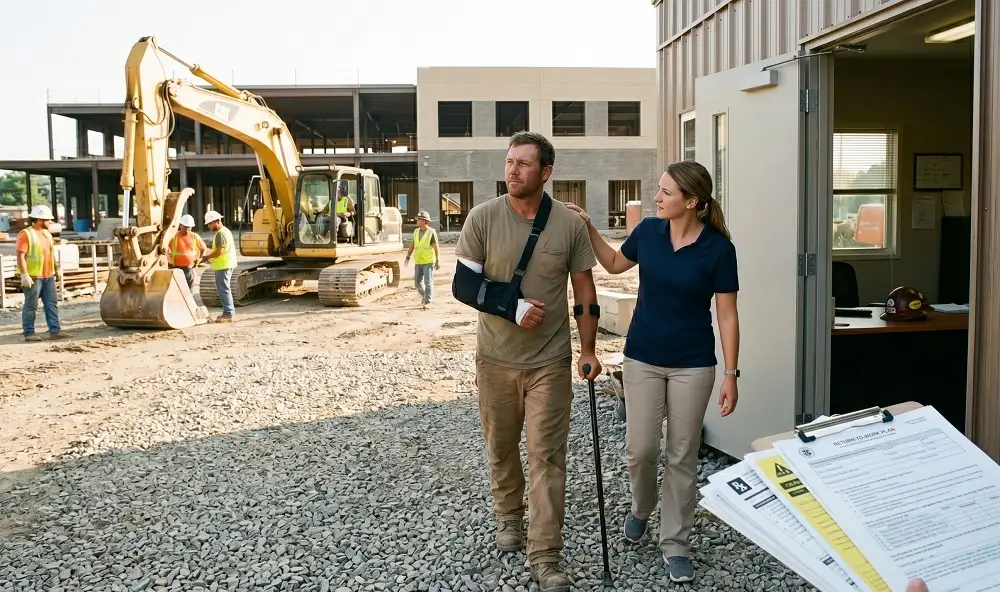
Caught-in-between accidents frequently involve third-party negligence, allowing additional lawsuits for full compensation:
Equipment Manufacturer Liability
Defective machinery and inadequate safety features create product liability claims:
- Missing or inadequate machine guards on power tools and equipment
- Defective hydraulic systems causing unexpected equipment movement
- Inadequate warning labels in Spanish for Latino construction workers
- Design defects making the equipment inherently unsafe for construction use
- Failure to provide proper operator training and safety instructions
General Contractor and Subcontractor Negligence
Site safety violations and coordination failures create additional liability:
- Failure to implement lockout/tagout procedures during equipment maintenance
- Inadequate trenching safety, including missing shoring, sloping, or trench boxes
- Poor site supervision allowing unsafe work practices and conditions
- Failure to coordinate safety between multiple subcontractors and trades
- Rushing work schedules leading to safety shortcuts and preventable accidents
Additional Damages Available in Third-Party Lawsuits
Workers' compensation doesn't cover pain, suffering, and full economic losses:
- Pain and suffering for the physical agony of crushing injuries
- Full lost wages rather than the 60% provided by workers' compensation
- Future earning capacity for workers who can never return to construction
- Loss of life enjoyment for permanent disabilities affecting family and recreation
- Punitive damages when manufacturers or contractors show extreme negligence
Free Emergency Consultation